Topaz Labs

Topaz Image Cleanup

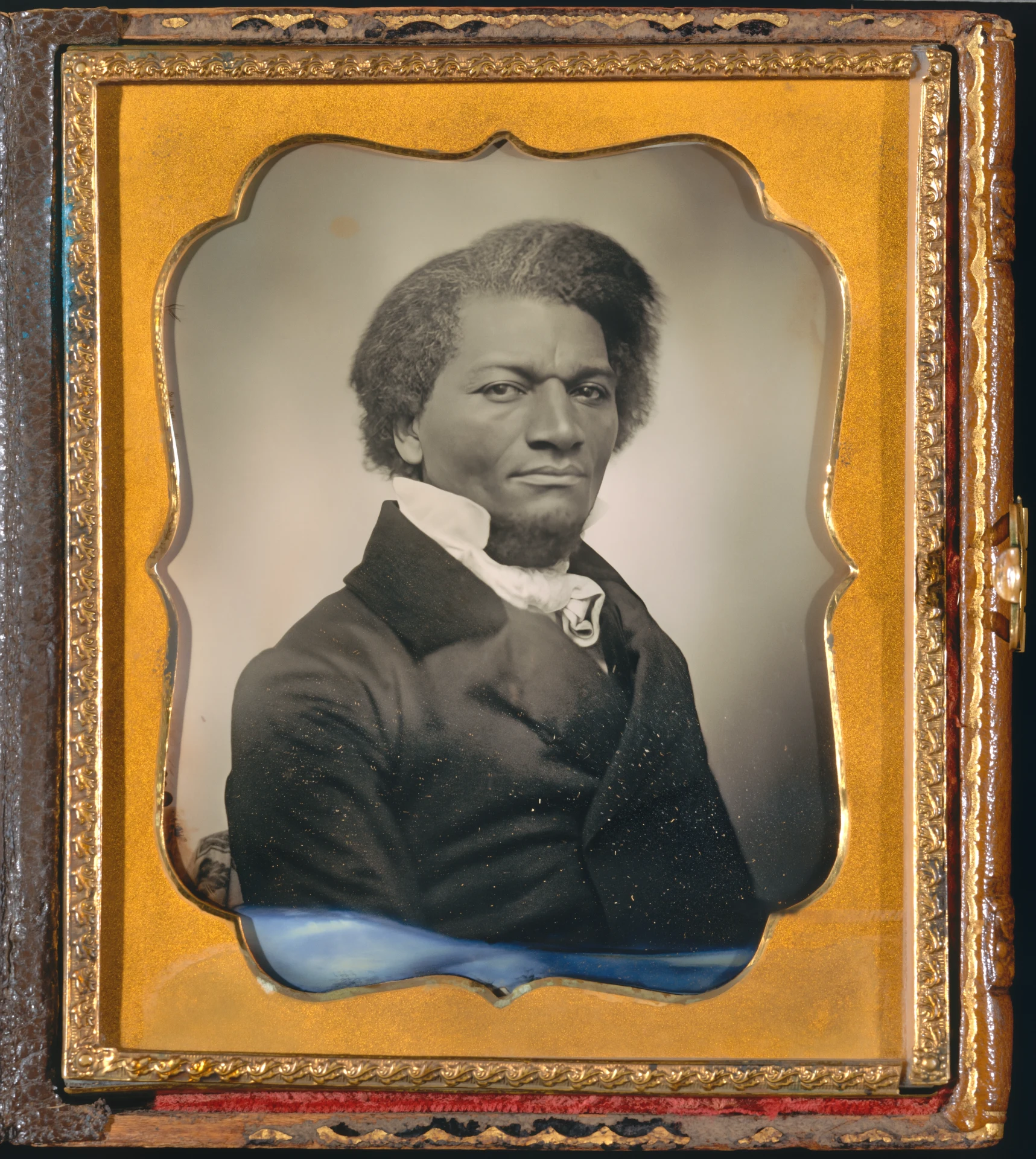
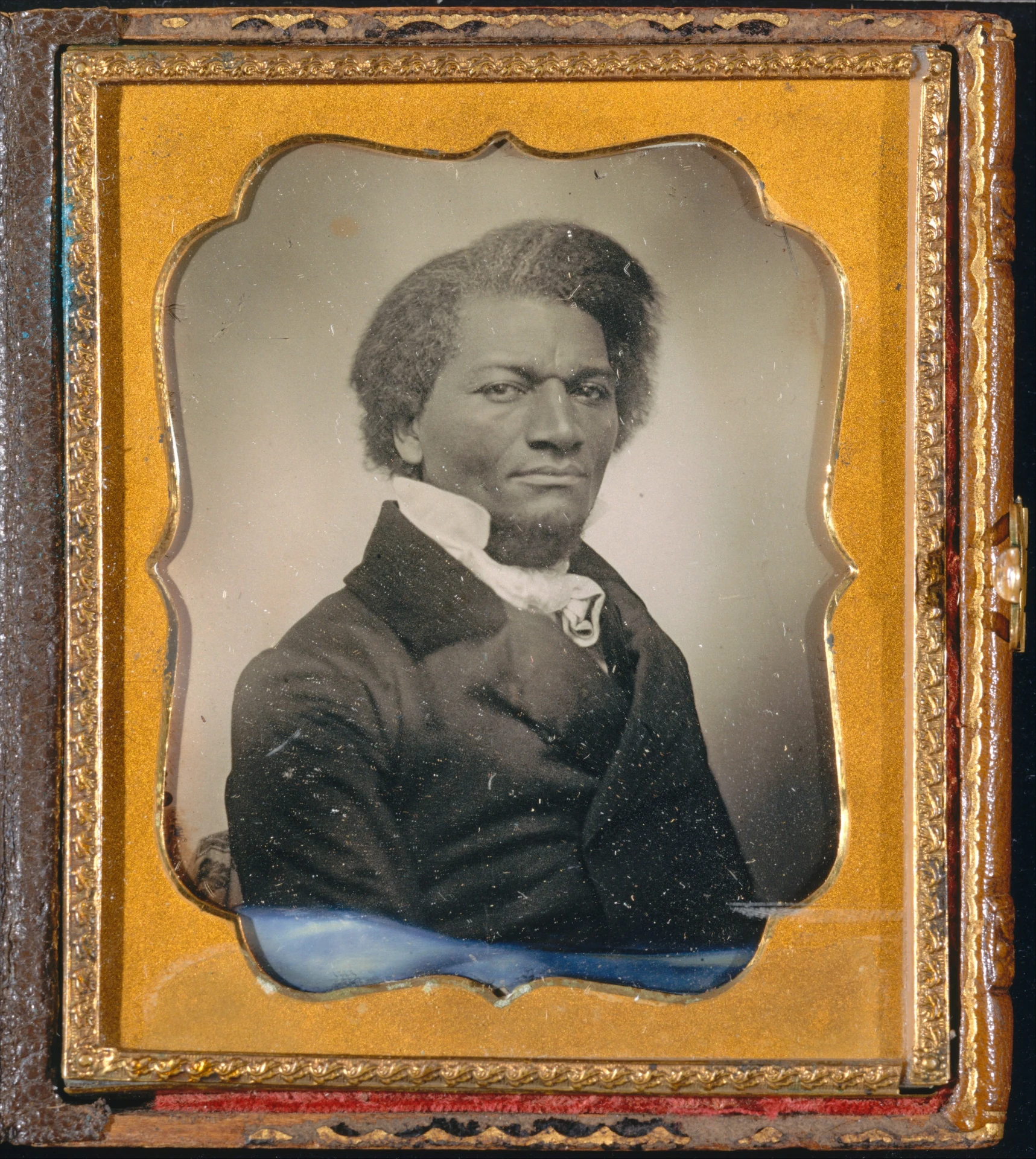
The cleanup family contains three distinct operations. Background Removal isolates a foreground and can produce a transparent result or mask; Dust & Scratch 2 repairs small film and surface defects across archival images; Image Object Matting uses more substantial reconstruction for damaged areas or unwanted objects. Pick the operation from the defect, not from how strong an effect you want.

How to use this model

  1. 1

    Choose Background Removal for isolation, Dust & Scratch 2 for distributed small defects, or Object Matting for larger damaged or unwanted regions.

  2. 2

    Upload the least-compressed source available and keep its original dimensions through the cleanup pass.

  3. 3

    For background removal, inspect hair, fur, translucent material, shadows, and holes inside the subject.

  4. 4

    For archival repair, compare grain and original marks so authentic texture is not erased with the defects.

  5. 5

    Review reconstructed edges and repeated patterns at full size, especially where removed content crossed an object boundary.

Background RemovalAvailable

Background Removal

Background Removal segments the main subject and preserves its edge for compositing on another background. Hair, fur, translucent materials, motion blur, internal gaps, and contact shadows are the areas most likely to need inspection.

Properties

  • Produces foreground isolation for transparency or masking.
  • Best results depend on clear subject boundaries.

Best for

  • Accurately separates subjects from backgrounds with clean edge detail
  • Outputs transparent background images and reusable masks
  • Useful for product photography, e-commerce, and compositing workflows

Tips

  • Remove backgrounds from images

How to use this model

  1. 1

    Upload an image with enough contrast between subject and background.

  2. 2

    Choose the transparent result or mask required by the next workflow.

  3. 3

    Inspect hair, fur, glass, fabric gaps, and contact shadows on contrasting backgrounds.

  4. 4

    Refine or composite-test the edge before using it in final artwork.

Parameters

Mode

Optional

Output mode. Alpha provides the binary mask of the object; segmentation provides the cropped object as an RGBA output. Defaults to segmentation if omitted.

  • alpha

  • segmentation

Output Format

Optional

The desired format of the output image.

  • jpg

  • png

  • tif

Image

Required

Source image

Dust & Scratch 2Available

Dust & Scratch 2

Dust & Scratch 2 detects small surface defects across an image and reconstructs them without requiring a manual mask. It is designed for film and archival cleanup; authentic grain, freckles, fabric texture, and intentional marks should be checked so they are not mistaken for damage.

Properties

  • Automatic archival dust and small-scratch cleanup.
  • Includes grain controls for restoring a coherent film texture.

Best for

  • Automatically identifies and removes dust and minor surface artifacts
  • Cleans the entire image in a single pass
  • Ideal for fast cleanup of scanned or archival photos

Tips

  • Automatic blemish cleanup

How to use this model

  1. 1

    Scan or upload the source at the highest practical resolution.

  2. 2

    Run global cleanup before local manual retouching.

  3. 3

    Compare grain, freckles, fine fabric, handwriting, and film texture with the source.

  4. 4

    Use grain controls conservatively if the restored image looks unnaturally smooth.

Parameters

Output Format

Optional

The desired format of the output image.

  • jpg

  • png

  • tif

Image

Required

Source image

Image Object MattingAvailable

Image Object Matting

Image Object Matting handles cleanup that requires more substantial reconstruction than ordinary dust removal. It can rebuild damaged surfaces or remove unwanted objects, but inferred content should be reviewed wherever the repair crosses faces, text, repeated patterns, or structural edges.

Properties

  • Generative reconstruction for damaged areas and unwanted objects.
  • More reconstructive than automatic dust and scratch cleanup.

Best for

  • Removes scratches, dust, surface damage, and unwanted objects
  • Supports automatic and brush-based cleanup workflows
  • Seamlessly blends repaired areas to preserve natural image structure

Tips

  • Use images with a single main object in the foreground for best results

How to use this model

  1. 1

    Use it for substantial damage or unwanted regions rather than isolated dust specks.

  2. 2

    Provide the cleanest source so surrounding context contains enough reconstruction cues.

  3. 3

    Process before sharpening or heavy color grading.

  4. 4

    Inspect perspective, repeated texture, text, faces, and edges through repaired areas.

Parameters

Mode

Optional

Output mode. Alpha provides the binary mask of the object; segmentation provides the cropped object as an RGBA output. Defaults to segmentation if omitted.

  • alpha

  • segmentation

Output Format

Optional

The desired format of the output image.

  • jpg

  • png

  • tif

Image

Required

Source image