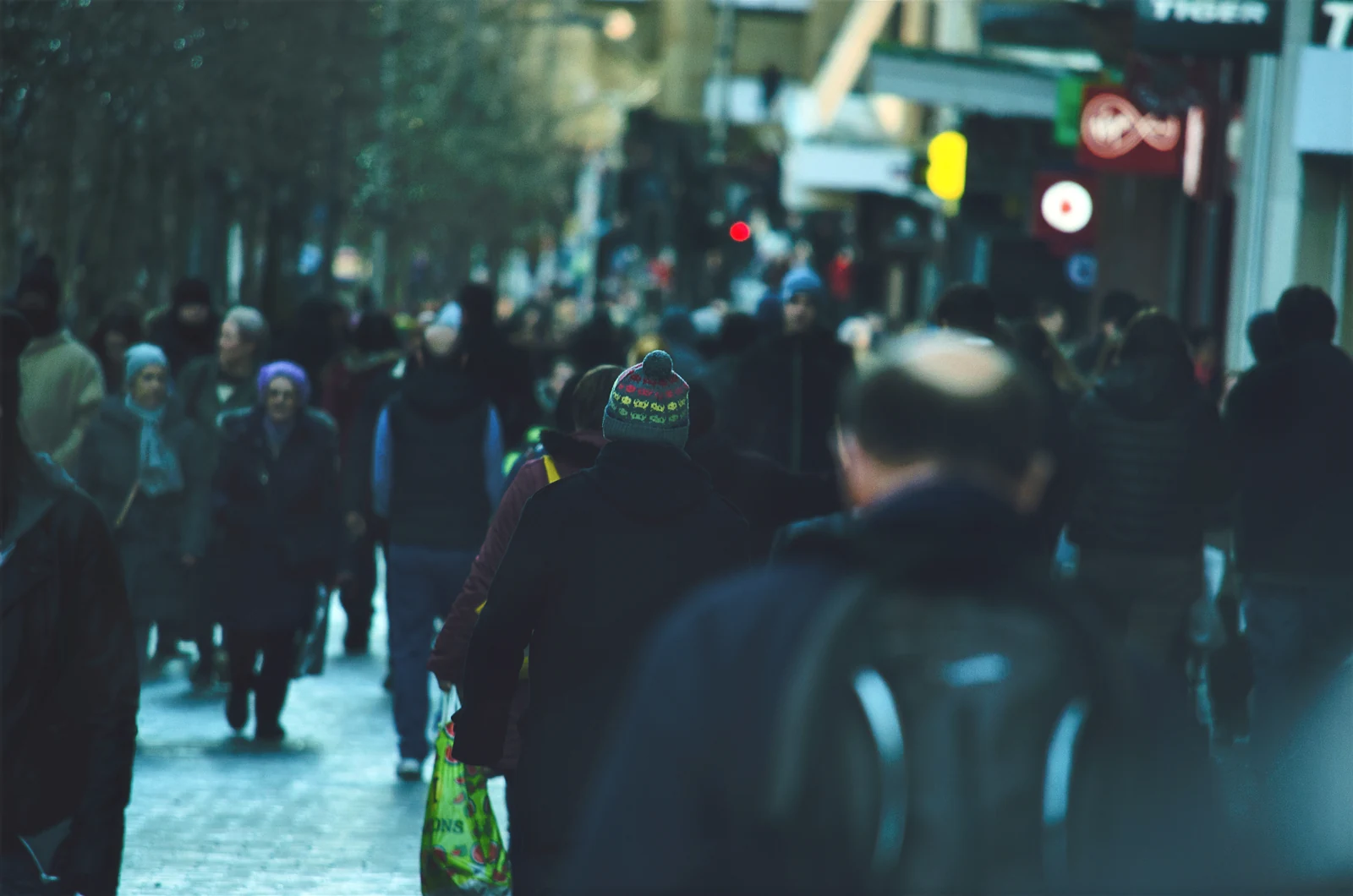
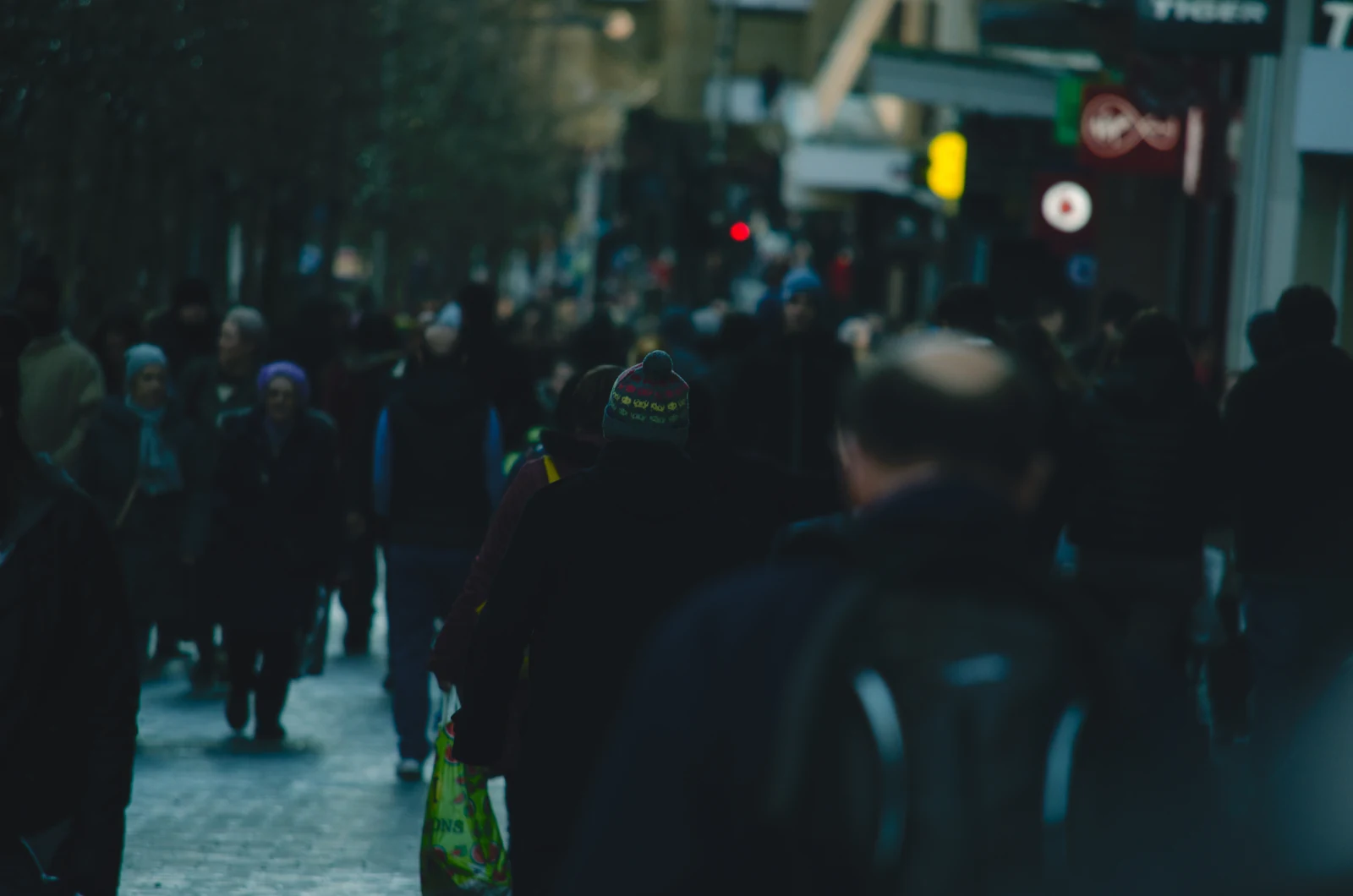
Topaz Labs

Topaz Color and Lighting

Adjust Lighting 2, Balance Color, and Image Colorization solve different color problems. Adjust Lighting 2 works on exposure, highlights, and shadows; Balance Color neutralizes or intentionally shifts a color cast; Image Colorization infers plausible color for black-and-white or faded sources. Colorization is interpretive rather than historical proof, so factual color references should be supplied or verified separately.

How to use this model

  1. 1

    Identify the problem first: exposure, color cast or white balance, or missing color in a monochrome source.

  2. 2

    Choose Adjust Lighting 2, Balance Color, or Image Colorization accordingly rather than stacking all three by default.

  3. 3

    For lighting correction, protect highlight and shadow detail; for balance, use known neutral objects as visual checks.

  4. 4

    For colorization, use the cleanest scan available and treat generated colors as plausible unless backed by references.

  5. 5

    Inspect skin tones, neutral grays, gradients, clipped highlights, and color bleeding around edges.

Adjust Lighting 2Available

Adjust Lighting 2

Adjust Lighting 2 improves underexposed or overexposed images by redistributing exposure, highlights, and shadows according to image context. It is a lighting correction model, not a white-balance or colorization tool, so use the dedicated variants for those tasks.

Properties

  • Targets exposure, highlight, and shadow correction.
  • Improves extreme under- and over-exposure more directly than the earlier Adjust model.

Best for

  • Automatically adjusts exposure and contrast for balanced results
  • Improves highlight and shadow detail without harsh transitions
  • Second-generation lighting correction with improved tonal handling

Tips

  • Intelligent exposure correction

How to use this model

  1. 1

    Upload the least-processed source so clipped and recoverable tones are easier to distinguish.

  2. 2

    Start with exposure, then adjust highlights and shadows separately.

  3. 3

    Use restrained values where faces or bright product surfaces are present.

  4. 4

    Check gradients, skin, windows, lamps, and deep shadows for clipping or halos.
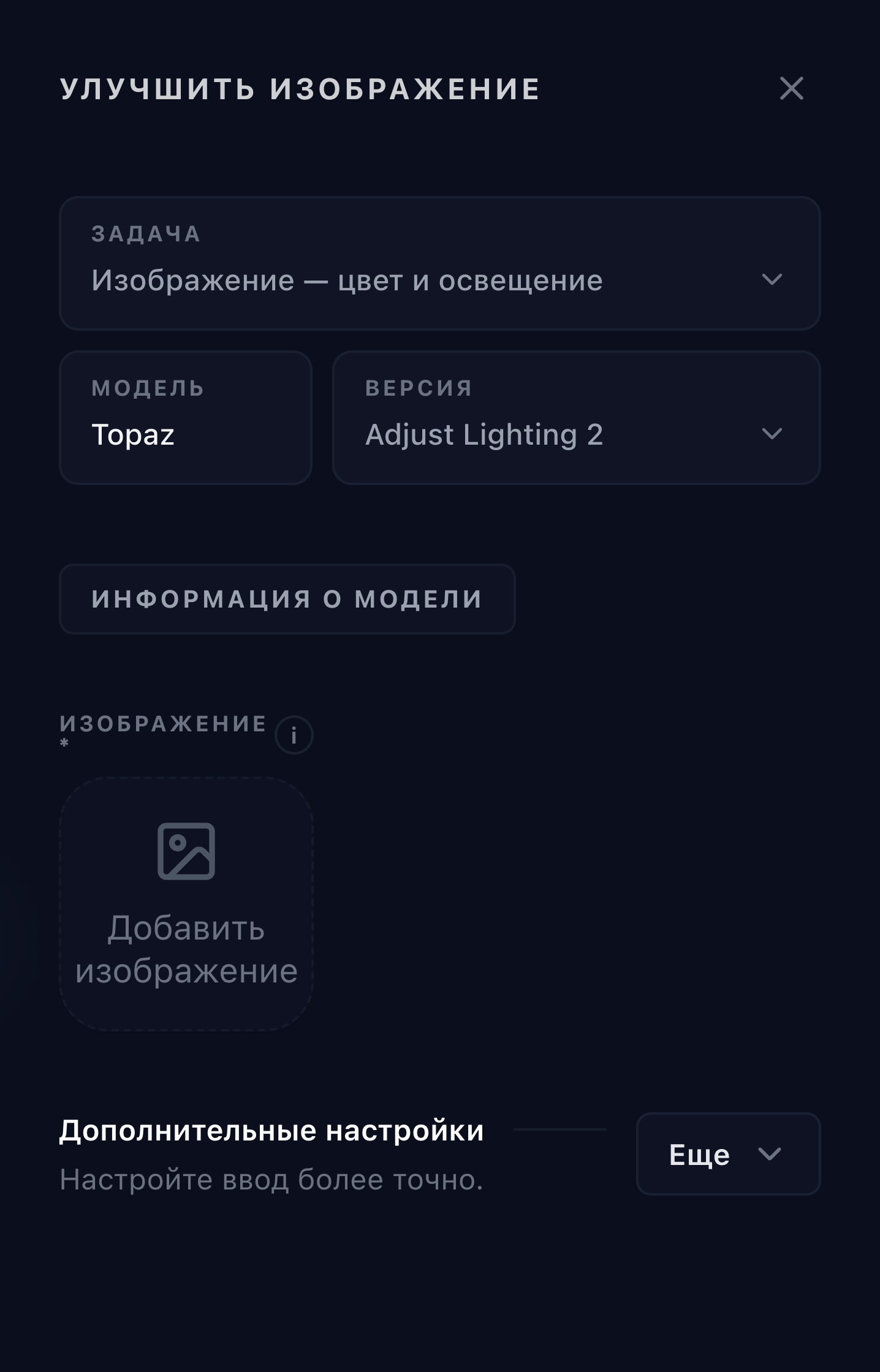
Topaz Adjust Lighting 2 selected in the Omnipix enhancement workspace

Parameters

LAB Blend Alpha

Optional

Controls LAB blend alpha. Defaults to 0.6 if omitted.

Lighting

Optional

Controls lighting adjustment. Defaults to 1.0 if omitted.

Color Correction

Optional

Adjusts the vibrance.

Exposure

Optional

Adjusts the exposure.

Highlight

Optional

Adjusts prominence of highlights.

Shadow

Optional

Adjusts prominence of shadows.

Temperature

Optional

Adjusts overall warmth.

Opacity

Optional

Adjusts opacity strength.

Saturation

Optional

Adjusts saturation. Defaults to 0.2 if omitted.

Output Format

Optional

The desired format of the output image.

  • jpg

  • png

  • tif

Image

Required

Source image

Balance ColorAvailable

Balance Color

Balance Color corrects white-balance problems and inconsistent color casts while preserving the underlying exposure. It can also be used for a deliberate warmer or cooler treatment, but neutral references in the image should guide the adjustment.

Properties

  • Corrects white balance and unwanted color casts.
  • Supports neutral correction and deliberate warm or cool treatment.

Best for

  • Corrects color casts and white balance automatically
  • Produces natural-looking color without manual grading
  • Ideal for fast color correction across diverse imagery

Tips

  • Automatic color correction

How to use this model

  1. 1

    Identify a reliable neutral gray, white, or known product color in the source.

  2. 2

    Apply color balancing before creative grading or filters.

  3. 3

    Compare skin tones and neutral surfaces while adjusting warmth or coolness.

  4. 4

    Check shadows and highlights for new color casts at full size.

Parameters

Color Correction

Optional

Adjusts the vibrance.

Exposure

Optional

Adjusts the exposure.

Highlight

Optional

Adjusts prominence of highlights.

Shadow

Optional

Adjusts prominence of shadows.

Temperature

Optional

Adjusts overall warmth.

Opacity

Optional

Adjusts opacity strength.

Saturation

Optional

Adjusts saturation. Defaults to 0.2 if omitted.

Output Format

Optional

The desired format of the output image.

  • jpg

  • png

  • tif

Image

Required

Source image

Image ColorizationAvailable

Image Colorization

Image Colorization uses scene context to assign plausible color to monochrome or faded sources. The generated palette is an interpretation and may not match historical reality, uniforms, products, or personal appearance without external references.

Properties

  • Adds context-aware color to monochrome and faded images.
  • Produces plausible, not historically verified, color.

Best for

  • Converts black-and-white and faded images into realistic color
  • Automatically selects context-appropriate colors
  • Ideal for restoring archival photos and historical imagery

Tips

  • Automatic colorization for black-and-white images

How to use this model

  1. 1

    Use the cleanest scan and remove major dust or scratches before colorization.

  2. 2

    Collect factual color references when uniforms, products, or identities matter.

  3. 3

    Run colorization on the neutral source rather than an already tinted version.

  4. 4

    Inspect skin, sky, foliage, clothing edges, and color bleed at full size.

Parameters

Color Correction

Optional

Adjusts the vibrance.

Exposure

Optional

Adjusts the exposure.

Highlight

Optional

Adjusts prominence of highlights.

Shadow

Optional

Adjusts prominence of shadows.

Temperature

Optional

Adjusts overall warmth.

Opacity

Optional

Adjusts opacity strength.

Saturation

Optional

Adjusts saturation. Defaults to 0.2 if omitted.

Output Format

Optional

The desired format of the output image.

  • jpg

  • png

  • tif

Image

Required

Source image