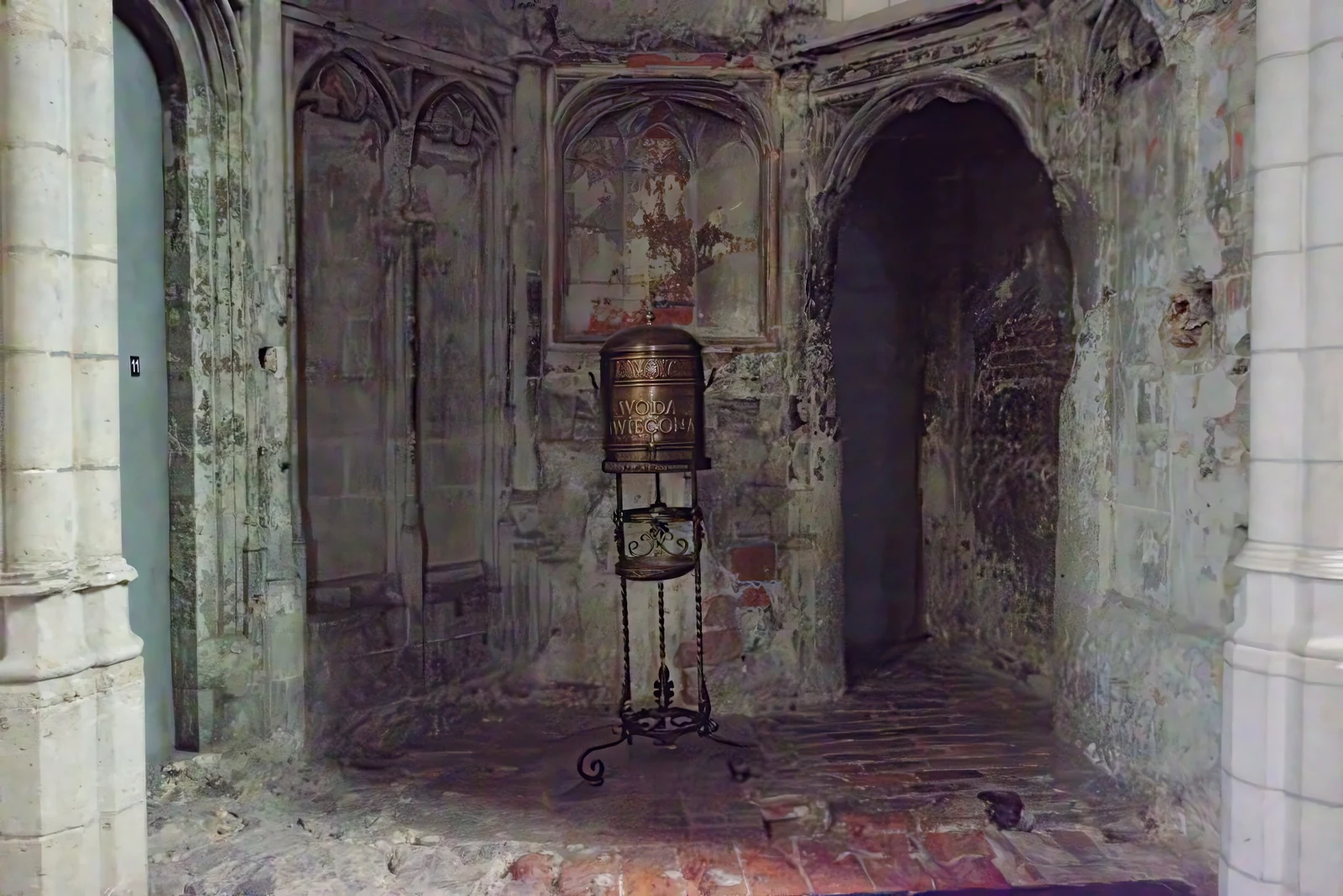
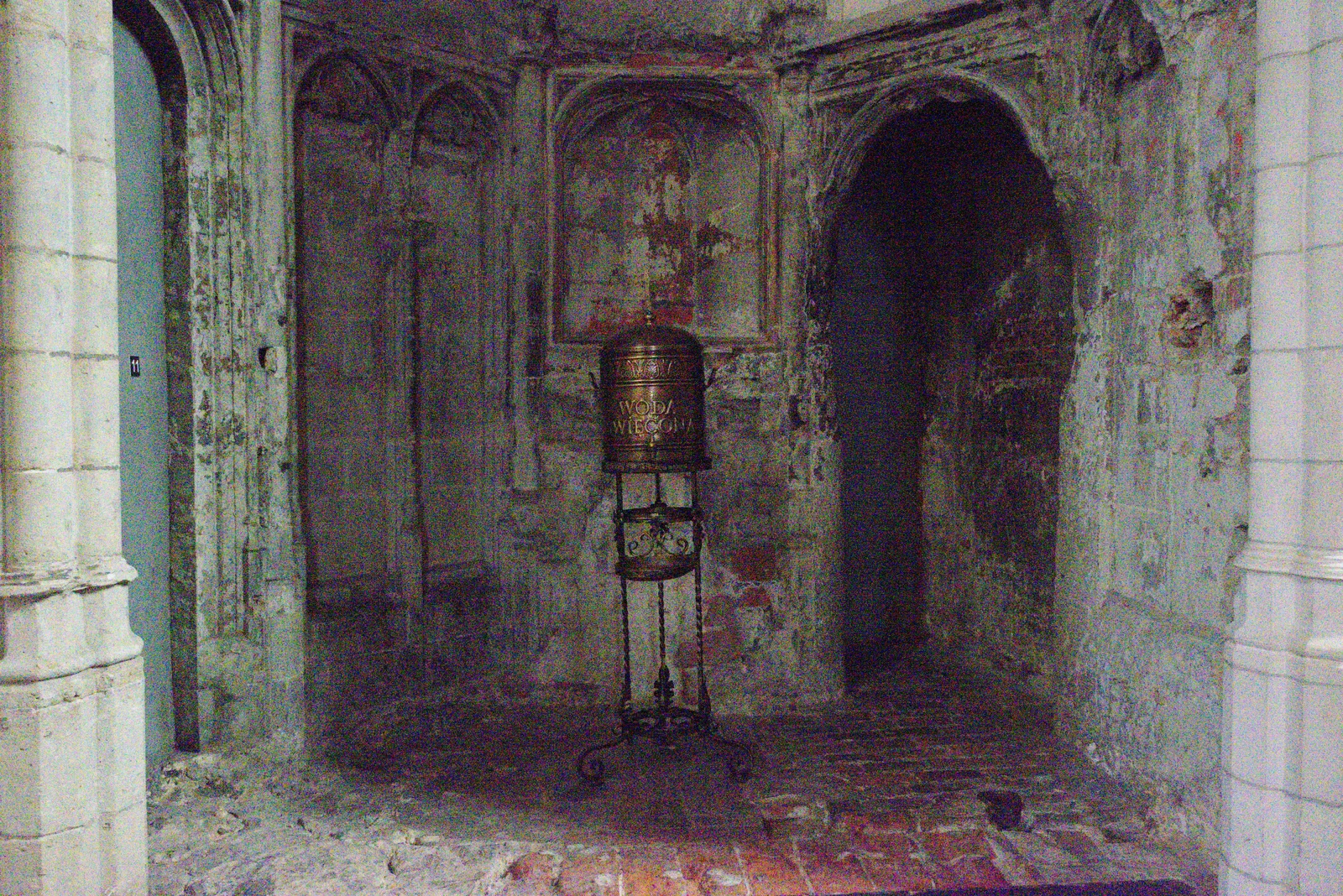
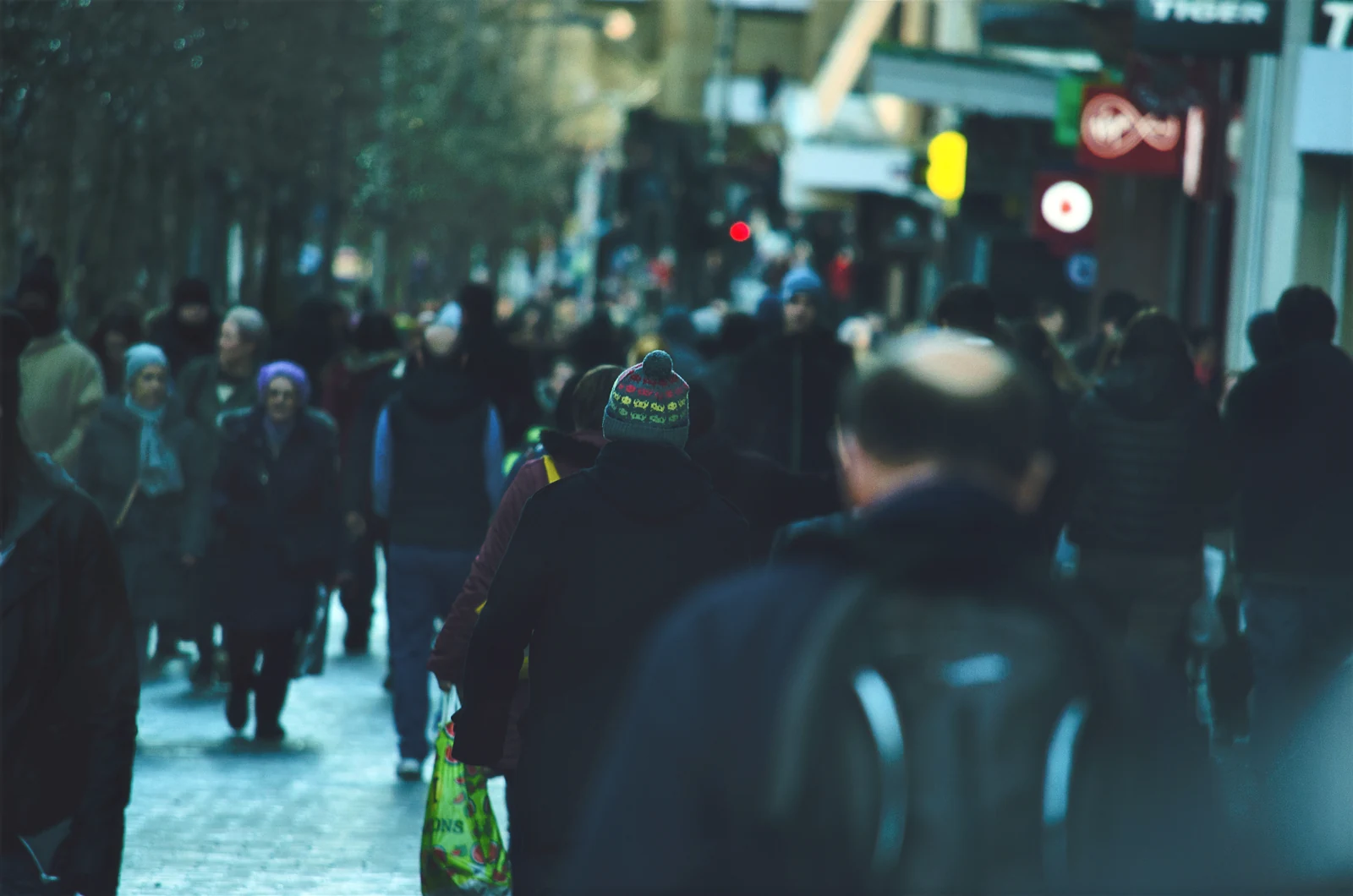
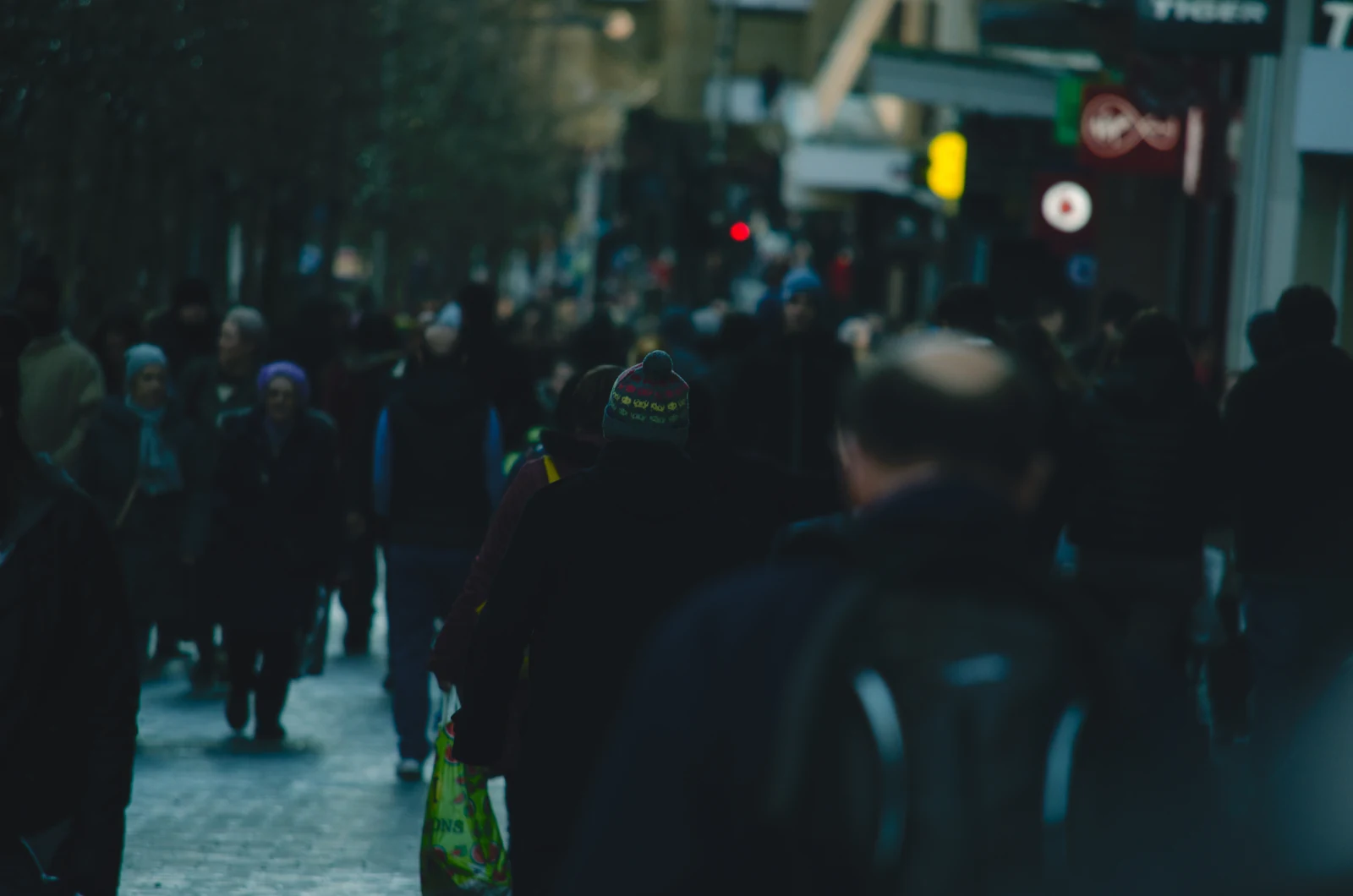
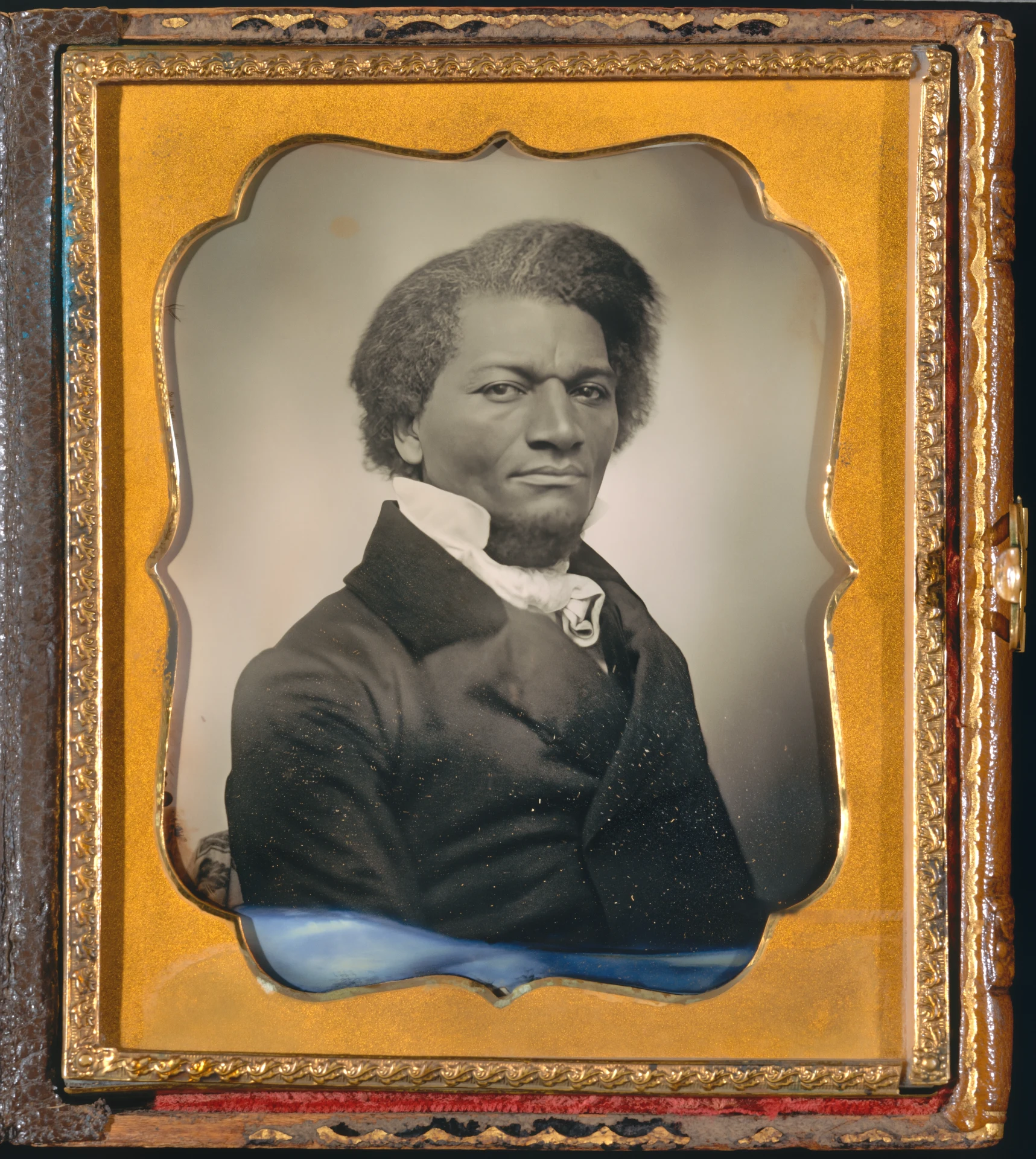
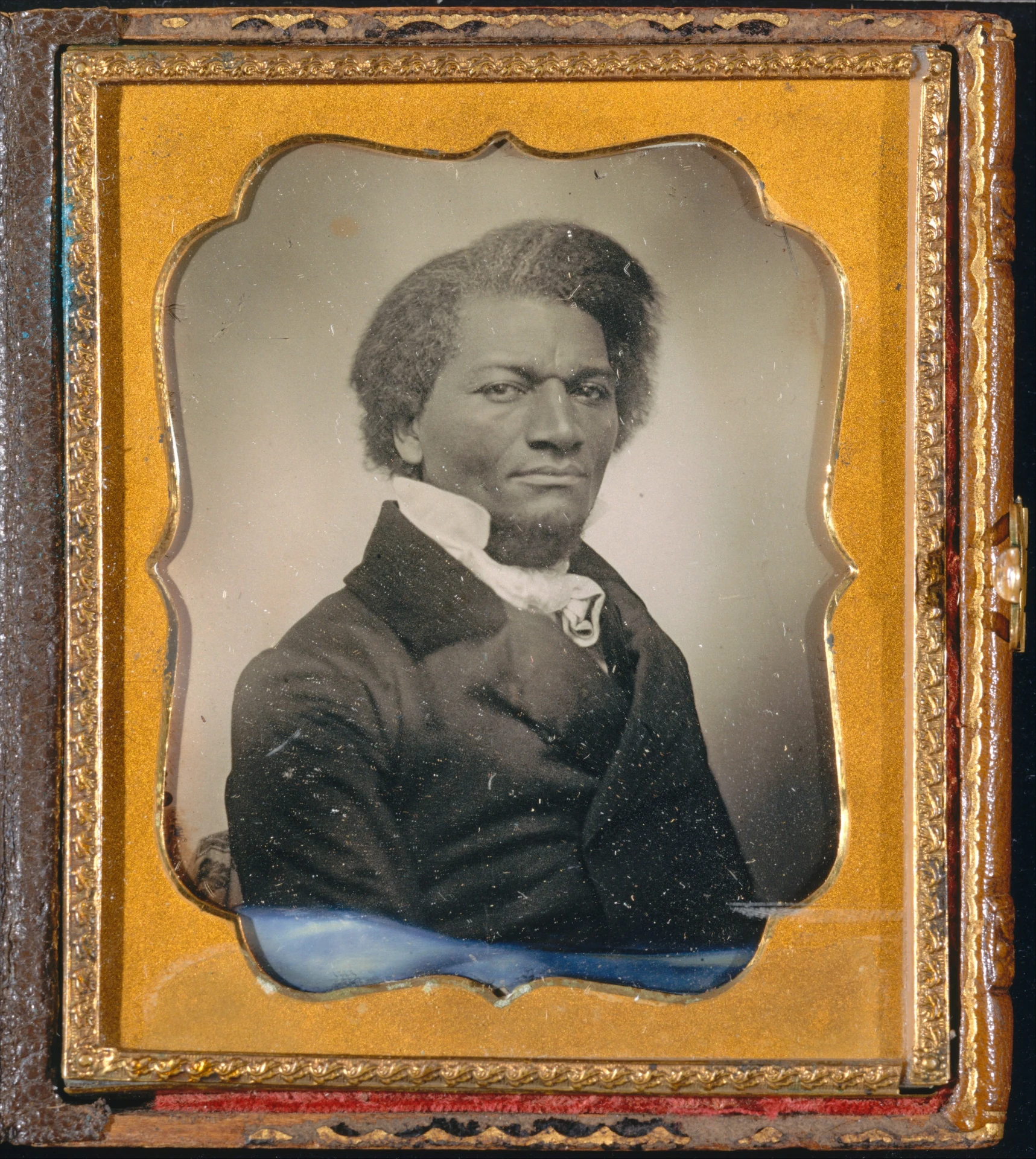
Correct difficult exposure while retaining separate control over highlights and shadows.
Brands
Topaz Labs
Specialized image and video restoration, enhancement, upscaling, and utilities.
Models
Enhance
Topaz Color and Lighting
View details →Adjust Lighting 2, Balance Color, and Image Colorization solve different color problems. Adjust Lighting 2 works on exposure, highlights, and shadows; Balance Color neutralizes or intentionally shifts a color cast; Image Colorization infers plausible color for black-and-white or faded sources. Colorization is interpretive rather than historical proof, so factual color references should be supplied or verified separately.
Neutralize unwanted color casts or make controlled warmer and cooler balance adjustments.
Infer plausible full color for black-and-white, faded, or partially desaturated images.
Topaz Frame Interpolation
View details →Frame interpolation estimates motion between existing frames rather than generating a new scene. Aion targets large, complex motion, Apollo is tailored to non-linear or slightly blurred motion and exact frame multiples, and Chronos covers general frame-rate conversion; abrupt cuts and extreme frame-to-frame changes remain poor interpolation boundaries.
Aion is built for high-resolution inputs and large, complex motion across the frame. It enables extreme slow motion by synthesizing new frames with advanced motion analysis, minimizing duplication and instability even in demanding scenes. Aion is the best choice for footage with heavy parallax, fast camera movement, or immersive formats where maximum motion accuracy is required.
Apollo produces smooth slow motion and frame rate conversions while handling non-linear or slightly blurry motion reliably. It excels at structured retiming workflows, especially when precise frame multiples such as 2x, 4x, or 8x are required. Apollo Fast variant is available for quicker processing on simpler motion, making this model a flexible choice for both precision retiming and faster turnaround workflows.
Chronos delivers high-quality frame interpolation for more challenging frame rate conversions and slow motion. It is well suited for linear and layered motion, producing precise, natural results across a wide range of footage types. Chronos Fast variant prioritizes processing speed over maximum precision, offering a practical option for longer sequences or time-sensitive workflows.
Topaz Image Cleanup
View details →The cleanup family contains three distinct operations. Background Removal isolates a foreground and can produce a transparent result or mask; Dust & Scratch 2 repairs small film and surface defects across archival images; Image Object Matting uses more substantial reconstruction for damaged areas or unwanted objects. Pick the operation from the defect, not from how strong an effect you want.
Separate a foreground subject from its background for transparent output or a reusable mask.
Remove distributed dust, specks, and small scratches from film scans and archival images.
Reconstruct larger damaged or unwanted image regions while blending the repair into surrounding content.
Topaz Image Denoise
View details →Normal, Strong, and Extreme trade progressively stronger noise removal against preservation of original detail. Normal suits low-to-medium noise, Strong targets difficult low-light or high-ISO sources, and Extreme prioritizes cleanup when noise or compression is severe. Max adds generative reconstruction, so its result should be checked for newly inferred texture rather than treated as a strictly literal restoration.
Maximum conventional cleanup for severe noise and compression where cleanliness outweighs fine-detail retention.
Generative denoising that removes heavy noise while reconstructing sharp detail in degraded areas.
Balanced cleanup for low-to-medium noise without aggressively smoothing everyday images.
Stronger noise reduction for difficult high-ISO and very low-light images while retaining recoverable detail.
Topaz Image Sharpen
View details →Topaz Sharpen separates different causes and subjects instead of applying one universal filter. Standard, Natural, Portrait, Wildlife, Lens Blur, Motion Blur, and Refocus target specific conventional cases; Strong is intended for heavier blur. Super Focus variants are generative and may reconstruct information, so use them after standard sharpening cannot recover a usable result.
Automatically select and apply a conservative sharpening treatment from image content and technical quality.
Correct optical defocus and lens softness with the stronger second-generation Lens Blur model.
Correct directional streaking caused by camera shake or subject motion during exposure.
Recover definition while keeping organic surfaces and textures natural.
Sharpen high-resolution portraits while preserving facial structure and natural skin texture.
Emphasize micro-detail and fine lines in slightly defocused images.
General-purpose sharpening for mild lens softness and slight motion blur.
Aggressive conventional sharpening for severely blurred or out-of-focus sources.
Generative focus recovery for stubborn blur that conventional sharpening cannot resolve.
Selective generative refocusing that concentrates reconstruction on blurred regions while preserving sharp areas.
Subject-specific sharpening for high-resolution wildlife, feathers, fur, scales, and natural texture.
Topaz Image Upscale
View details →Topaz offers both fidelity-oriented standard upscalers and generative models that rebuild missing detail. Choose by source type and acceptable change: Standard V2 is the general baseline, Low Resolution V2 handles compressed or small inputs, CGI and Text & Shapes protect graphic structure, while Bloom, Recover, Redefine, Standard Max, and Wonder can reconstruct more aggressively. Face and transparent-image variants solve narrower problems and should be used only when the source matches them.
Art & CGI is tailored for non-photographic imagery such as illustrations, digital art, renders, and stylized graphics. It preserves clean edges, flat color regions, and intentional line work without introducing photographic texture.
Bloom Creative is a generative AI upscaling model designed for native GenAI images, enlarging AI-generated artwork, illustrations, and CG renders by up to 8× while creatively introducing new detail, texture, and visual elements. Bloom is guided by an optional prompt input and offers adjustable creativity levels, ranging from zero to bold, allowing users to subtly enhance existing detail or introduce significant, dynamic new elements.
Bloom Realism is an advanced creative upscaling model that removes the plastic, artificial feel of AI-generated images by restoring natural detail and texture across skin, hair, fabrics, metals, and other materials, producing more grounded, believable results.
Detail Faces is a specialized enhancement model designed to improve facial detail and realism in AI-generated images. It restores natural texture in skin, eyes, and hair while reducing artificial smoothness, producing sharper, more lifelike results without compromising the subject’s identity.
High Fidelity 2 is a precision upscaling model designed for images that are already high resolution and well captured. It focuses on enlarging images while preserving fine detail, natural texture, and structural accuracy, avoiding aggressive reconstruction or over-sharpening.
Low Resolution 2 is optimized for images that start with limited detail, heavy compression, or small dimensions. It focuses on intelligent reconstruction to recover usable detail from challenging sources without modifying the source characteristics.
Recover 3 is a generative image recovery model designed to reconstruct missing detail in low-resolution, damaged, or out-of-focus images, with a particular strength in restoring realistic facial features and natural textures. Now in its third generation, Recover 3 delivers significantly improved detail reconstruction, texture fidelity, and realism compared to earlier versions. Recover 3 intelligently rebuilds hair, skin, fabric, foliage, and other organic detail where original image information is limited or lost. It is especially effective for old photographs, heavily compressed images, and small or blurry faces, producing results that feel photographic rather than artificial.
Redefine is a generative image enhancement model designed to add new detail and rebuild structure when original image information is missing or degraded. Unlike precision upscaling models, Redefine can generate photorealistic detail to restore clarity in blurry, low-resolution, or damaged images.
Standard Max is a generative model that delivers high-quality, natural results while remaining efficient enough to run on a wide range of devices. It achieves detail and realism comparable to generative upscaling models, without the heavy hardware requirements or long processing times typically associated with them. Standard Max delivers strong results across all image types and resolutions, and is especially effective on low-resolution images where it restores photorealistic detail with clean textures and minimal artifacts. It also performs reliably on medium and high-quality sources, making it a versatile and dependable choice for everyday upscaling.
Standard 2 is the general-purpose image upscaling model recommended for most photos and graphics. It delivers clean, reliable enlargement across a wide range of image types while maintaining true-to-input detail and structure.
Upscale typography, logos, UI captures, and geometric artwork while prioritizing edge and shape clarity.
A specialized upscaling model designed specifically for images with transparency, including logos, icons, titles, and graphic overlays. This model enhances resolution while preserving alpha channel integrity, ensuring that edges, cutouts, and semi-transparent regions remain clean and artifact-free without affecting the background.
Wonder 2 is the second-generation Wonder model and the most advanced realism-focused image enhancement model in the family. It is designed to handle extremely challenging, low-resolution images and produces outputs that look clean, natural, and professional. Wonder 2 restores sharper, more natural detail across the image, resolving plasticky or airbrushed artifacts to produce clean, realistic results. It recovers skin texture, facial features, hair, fabric, and environmental detail while minimizing artifacts and avoiding unnecessary changes to the source during upscaling.
Wonder 3 is an updated generative upscaling model designed to deliver significantly higher quality results with more natural detail and improved realism across a wide range of image types. It supports both high-quality inputs and heavily degraded or compressed images, with selectable Low, Medium, and High enhancement levels for greater control across varying input conditions. Wonder 3 performs across all resolution levels and is well suited for portraits, landscapes, wildlife, and complex textures such as fabrics, metallics, feathers, and skin. It also improves on Wonder 2 by resolving challenging edge cases and reducing the plasticky appearance and artifacts seen in earlier versions.
Recover Faces is a specialized facial reconstruction model designed to restore recognizable facial detail from low-resolution, damaged, or heavily compressed images. When facial information is missing or unreadable, Recover Faces reconstructs plausible features rather than strictly preserving original pixels. This model is typically combined with another enhancement.Face Recovery includes both Realistic and Creative variants, allowing users to balance fidelity and recovery strength based on source quality. Because these models are reconstructive by design, results may include subtle changes to expressions or smoothing of skin, hair, or fine facial details in order to produce a coherent, usable face. Recover Faces is intended for portraits and people-focused imagery where standard upscaling cannot recover meaningful facial structure.
Topaz Video Denoise
View details →Nyx variants address different cleanup priorities rather than different creative styles. Nyx and Nyx Fast can combine denoising with enhancement, Nyx XL applies stronger suppression, and Nyx High Fidelity is a denoise-only path intended to remove grain without scaling, sharpening, or adding detail.
Nyx is a high-quality video denoising model designed to reduce noise and grain while preserving fine detail and natural texture. It is optimized for camera-based footage, especially content affected by sensor noise, low-light conditions, or heavy compression. Nyx focuses exclusively on noise reduction without sharpening or creative modification, making it ideal for clean preprocessing or standalone denoising workflows.
Nyx Fast is a performance-optimized variant of Nyx designed for faster denoising with reduced computational cost. It provides effective noise reduction for workflows where speed and turnaround time are prioritized. Nyx Fast is well suited for previews, batch processing, and time-sensitive workflows where clean results are needed quickly.
Nyx High Fidelity is a denoise-only model designed to remove grain and noise from high resolution sources while preserving the original image exactly as captured. It performs no sharpening, enhancement, or creative modification, making it ideal for workflows where source fidelity must remain untouched. Nyx High Fidelity supports advanced finishing pipelines by generating noise passes for external compositing, allowing teams to reintroduce grain or manage noise downstream with full control.
Nyx XL is an intensity-focused denoising model designed for aggressive noise and grain reduction. It applies stronger noise suppression than standard Nyx, making it suitable for severely noisy footage and difficult capture conditions. Nyx XL should be used selectively, as its aggressive denoising prioritizes noise removal over maximum texture retention.
Topaz Video Upscale
View details →This family is a toolbox, not a quality ladder: Proteus and Artemis are general-purpose choices, Dione targets interlaced sources, Iris emphasizes faces, Gaia targets clean animation or CGI, and Starlight or Astra variants use generative reconstruction for more difficult or creative material. Choosing the model by source type and defect is more important than choosing the newest name.
Artemis is a general enhancement model that balances detail enhancement with noise and artifact reduction. It is designed to handle low, medium, and high quality footage with a range of common issues, including haloing, aliasing, and compression artifacts.
Astra 1 is a creative diffusion-based upscaling model designed specifically for GenAI video. It transforms AI-generated footage to 4K by adding new, dynamic detail and texture, producing expressive and stylized results beyond traditional enhancement. Astra 1 allows creators to control the level of creative transformation, from subtle refinement to bold, highly stylized output. It enhances clarity, richness, and visual complexity by adding new detail and texture to GenAI video. Due to its scale and creative flexibility, Astra 1 is a cloud-only model optimized for high-capacity processing.
Astra 2 is an advancement in creative diffusion-based upscaling for GenAI video, building on Astra 1 with expanded control over detail generation and stylization. It transforms AI-generated footage by adding new, dynamic detail and texture, with adjustable creativity and sharpness controls and prompt-based guidance for more precise creative direction. Astra 2 performs best on stylized and GenAI sources, as well as wide shots and large-scale scenes where additional detail can be creatively inferred. It enhances clarity, richness, and visual complexity, and is optimized for expressive, stylized workflows.
Dione deinterlaces legacy interlaced video while enhancing and optionally upscaling it.
Gaia is designed to upscale and refine high quality CGI and animation sources. It assumes the input footage is already clean and well rendered, focusing on subtle refinement rather than heavy artifact removal. Gaia is not intended for heavily compressed or damaged footage and is best used as a final step to increase resolution while preserving the original source characteristics.
Iris is a face focused enhancement model designed to recover facial detail in low to medium quality footage. It is optimized for footage where faces are degraded due to noise, compression, or interlacing. Iris performs best on challenging sources such as archival material, broadcast footage, or heavily compressed video.
Proteus Natural is an update to the popular Proteus model, designed to eliminate over sharpening and over enhancement that can occasionally occur during upscaling. This next generation refinement delivers a more natural, softer output while preserving texture and source character. Proteus Natural reduces sharpening halos, aliasing, and background distortion, producing clean, stable upscales across a wide range of video sources and supporting both local and cloud workflows.
Rhea is a high fidelity enhancement model designed for 4x upscaling of organic textures and fine detail, delivering clean, controlled sharpness while preserving natural structure. Rhea blends the general enhancement strengths of Proteus with the facial recovery capabilities of Iris to recover fine detail and faces from lower resolution sources such as 480p footage. It operates natively at a 4x scale and is best suited for workflows where maximum detail preservation is prioritized over render speed.
Starlight Fast 1 is the first generation diffusion video enhancement model optimized for speed. It delivers fast results and is intended for workflows where performance and turnaround time are prioritized over maximum quality. Fast 1 provides automatic enhancement with sharper detail than traditional upscalers, making it well suited for rapid iteration or time sensitive processing that still require stunning results.
Starlight Fast 2 is a second generation diffusion-based video enhancement model designed for improved speed and quality. It delivers significantly faster results than Fast 1 while producing more realistic outputs and sharper details. Fast 2 balances performance and quality, making it well suited for high volume processing, rapid turnaround workflows, and scenarios where speed is critical but visual fidelity still matters.
Starlight HQ is a high quality enhancement model designed for modern, high resolution video sources. It delivers a strong balance of detail and sharpness while preserving the visual intent of the original footage. Unlike restoration focused models such as Starlight Mini, HQ is optimized for clean progressive video and larger source resolutions. It supports inputs from 480p through 4K and can render native 4K outputs, making it well suited for modern digital camera footage and high resolution finishing. Starlight HQ can run locally in Topaz Video or in the cloud via API. For local processing, the model uses a larger architecture that prioritizes visual fidelity over speed and requires an NVIDIA GPU with at least 10GB of VRAM, with 12GB or more recommended.
Starlight Mini is the first local diffusion model for video enhancement, delivering the core strengths of Starlight technology, optimized for desktop workflows. It enables diffusion based restoration and enhancement without relying on cloud processing. Mini is currently the most powerful diffusion-based video enhancement available for local desktop use. Starlight Mini is well suited for degraded and archival sources, including 8mm and 16mm film, MiniDV, and standard definition video with automatic deinterlacing. Its output emphasizes natural texture and motion consistency, helping reduce flicker, banding, and overly harsh detail.
Starlight Precise 1 is the original diffusion-based video enhancement model and the first of its kind designed specifically for video. Originally developed as Project Starlight, it was created to enhance footage previously considered impossible to restore, including degraded film and low resolution GenAI video. Precise 1 is a generative diffusion model that intelligently improves detail, temporal consistency, and structure while preserving artistic intent, performing all enhancement automatically without manual controls.
Starlight Precise 2 is a second generation diffusion video model designed to deliver more natural faces and skin tones for native GenAI video sources. It prioritizes realism and quality while preserving artistic intent. Precise 2 intelligently refines facial detail, skin texture, and structure. Using a single frame diffusion architecture, it reduces ghosting and instability in fast moving, inconsistent, or heavily compressed footage, resulting in improved clarity and temporal consistency.
Starlight Precise 2.5 is a diffusion video enhancement model designed to improve realism in AI-generated video by reducing plastic or artificial artifacts. Building on Precise 2, it enhances facial detail while improving fabrics, materials, and the clarity of text, labels, and logos. Precise 2.5 is well suited to upscale and enhance AI-generated footage that already has strong composition and structure but appears soft or slightly artificial. It also performs well on archival content where sufficient visual information exists, such as digital video footage from the 2000s onward.
Starlight Sharp is a diffusion-based video enhancement model optimized for local or cloud processing. It is designed to sharpen low-res blurry videos and improve clarity on small faces. Starlight Sharp is used for restoration, detail recovery and compression cleanup. Unlike Mini, Starlight Sharp assumes a progressive input and does not perform automatic deinterlacing.
Theia is a clarity focused enhancement model designed to sharpen and enhance detail in video footage while controlling noise. It is well suited for situations where additional detail is needed and a hands on approach to tuning results is preferred. Theia provides granular manual control through three adjustable parameters and includes two fine tuning modes. Fine Tune Fidelity prioritizes stable, consistent detail with reduced artifacts, while Fine Tune Detail aggressively enhances detail on a per frame basis and may introduce subtle variation between frames.
Proteus delivers high quality results across a wide range of sources and is recommended as the default model for most common video upscaling projects. A versatile, general purpose enhancement model for upscaling, denoising, and sharpening a wide range of low to medium quality video sources. Proteus performs especially well on low to medium quality footage, including old, grainy, or heavily compressed video.
Topaz Video Utilities
View details →Hyperion expands SDR material into an HDR delivery space, Themis 2 reduces blur caused by camera or subject motion, and Video Colorization adds inferred color to monochrome footage. These tools solve different problems and should not be treated as interchangeable enhancement presets.
Hyperion converts standard dynamic range video into high dynamic range by expanding luminance range, bit depth, and contrast. It redistributes tonal values across highlights, midtones, and shadows to better utilize HDR display capabilities while preserving image detail and balance. The model supports HDR transfer function selection, allowing users to choose PQ for mastering and cinematic HDR delivery, or HLG for broadcast and display-referred workflows. This flexibility enables SDR footage to be adapted for a wide range of modern HDR pipelines.
Themis 2 reduces blur caused by rapid camera movement or fast-moving subjects. It recovers clarity and sharpness while avoiding harsh edges or artificial artifacts commonly introduced by aggressive sharpening. Motion Deblur is best suited for action footage, handheld shots, and fast motion scenarios where traditional sharpening cannot recover lost detail.
Video Colorization allows users to bring archival footage to life with high-fidelity automated colorization. This model leverages temporal consistency algorithms to apply stable, context-aware color across frames, preventing the flickering often associated with automated coloring. By using learned tone mapping to interpret scene elements, it delivers natural, seamless results for black-and-white video.